
International Adult and Continuing Education Hall of Fame
European Chapter (HOFE)


The International Adult and Continuing Education Hall of Fame honors outstanding leaders in the fields of adult learning and continuing education who are distinguished as a scholar, practitioner, or policy-maker.
The Hall serves as a record of inspiration for the next generation of adult and continuing education leaders.
To be eligible for induction into the Hall of Fame, a person must be eminently distinguished in the profession, shall have brought honor or distinction, and shall have contributed to the heritage of adult and continuing education.
Annually, around ten adult and continuing education leaders from around the world are selected for induction into the International Adult and Continuing Education Hall of Fame. These individuals reflect the great diversity of adult and continuing education practice and scholarship and the increasingly global leadership community that constitutes the IACE Hall of Fame.
On this page we supply additional information about and for members of the Hall of Fame specificly in the European region.
Preserving the Legacy of European Adult Education
Arne Carlsen started a series of interviews with HoFE-members. The aim is to strengthen the network among European HOF members and make them more familiar with each other, with their contributions to adult and continuing education, and their reflections when looking back.These are the first five interviews:

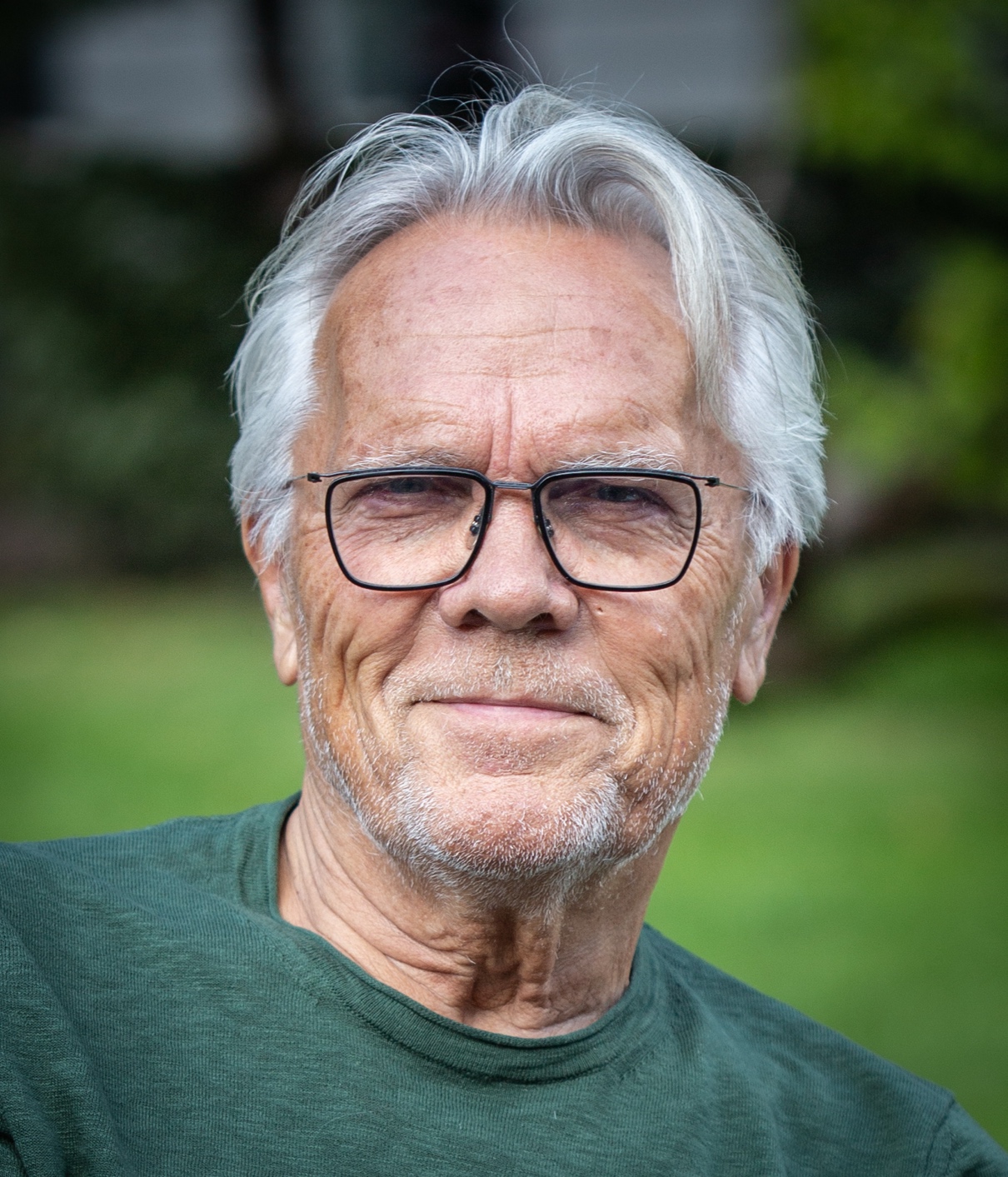
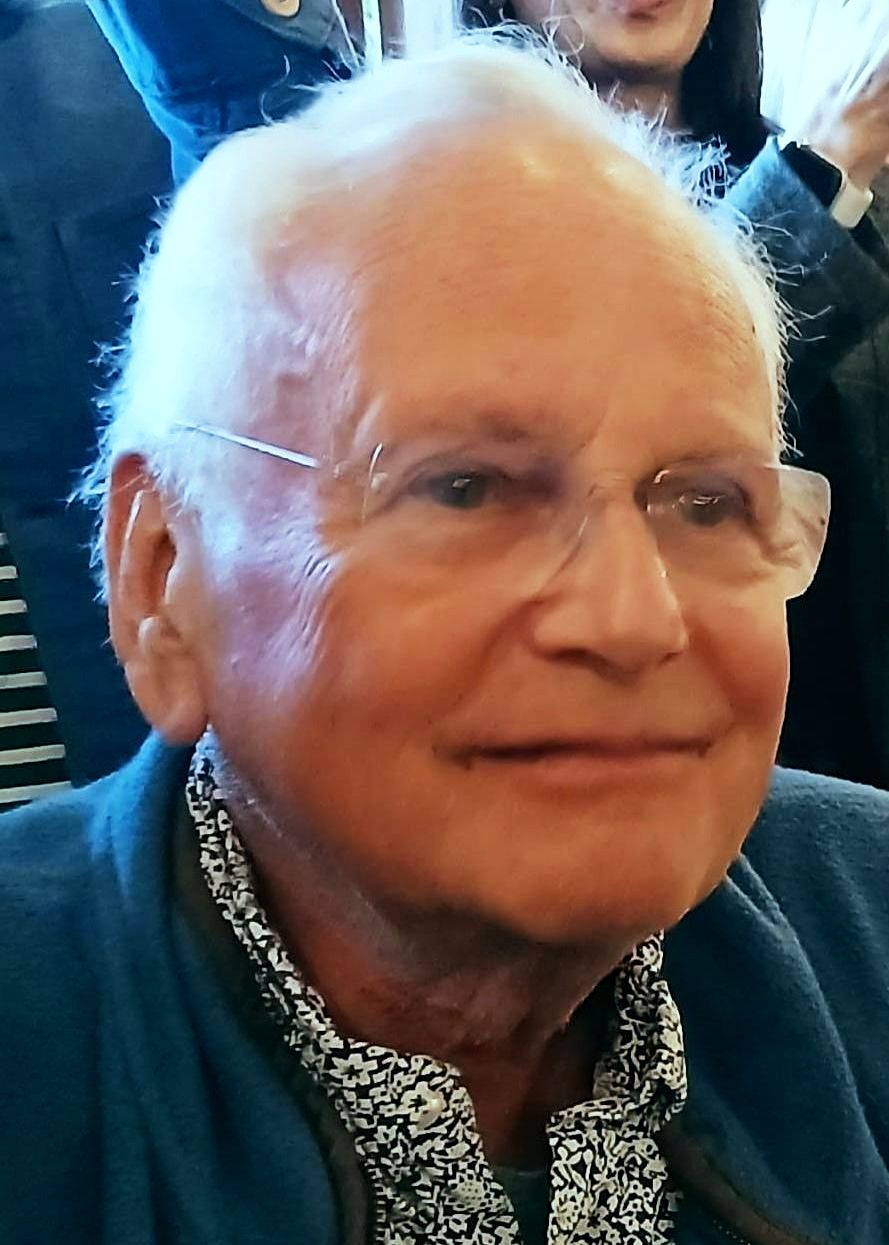
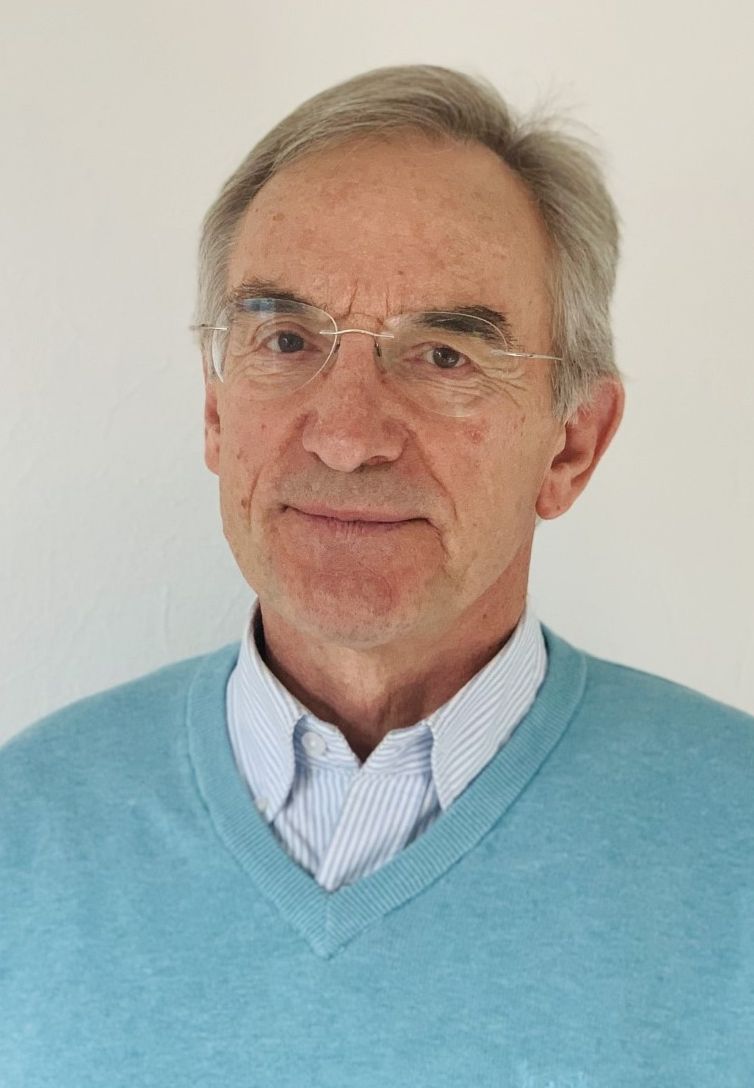
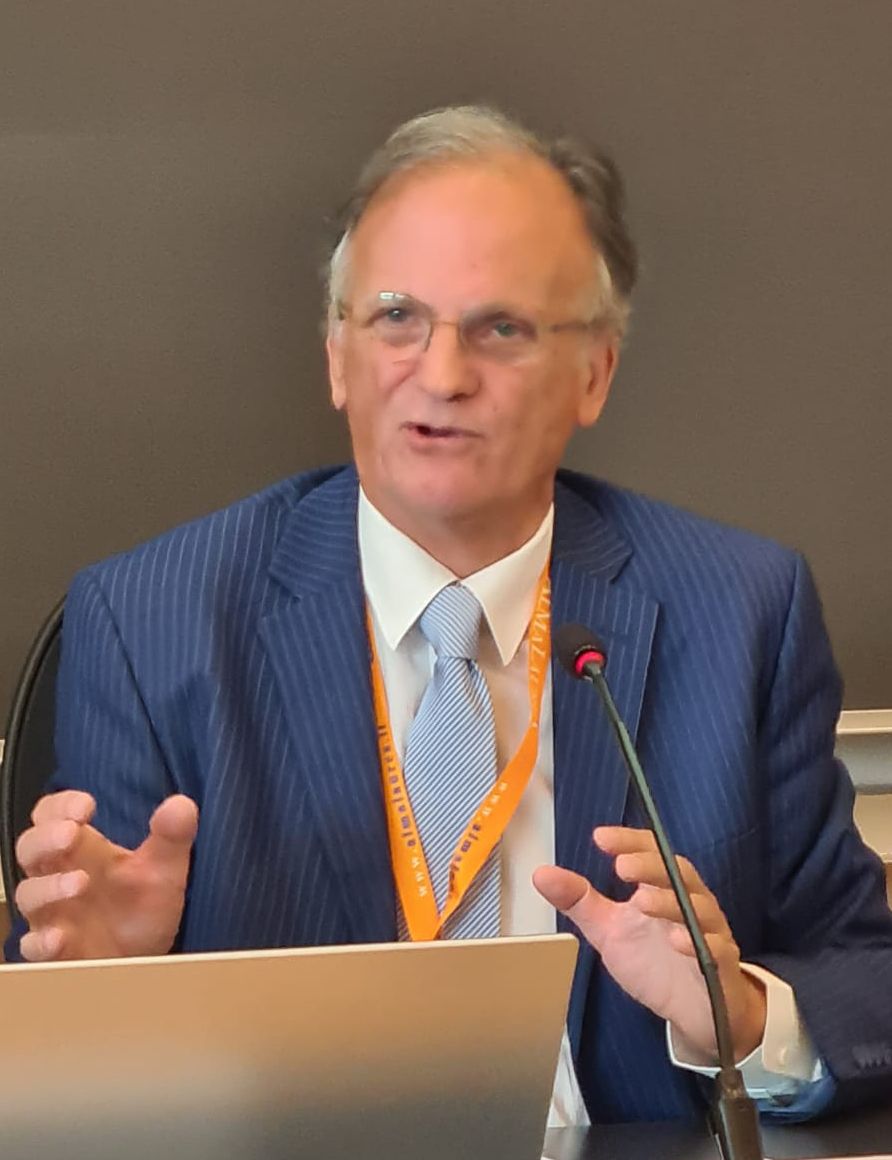
Ekkehard Nuissl
 Sturla Bjerkaker Alan TuckettHeribert Hinzen Paolo Federighi
More will follow. Enjoy!

Impact of the IACE Hall of Fame Conference in Florence 2024
The International Adult and Continuing Education Hall of Fame Conference in Florence in 2024, organised by the European Chapter and hosted by the University of Florence, has generated a range of significant follow-up activities through Working Group 6 on Learning Cities. These developments demonstrate how the Conference has contributed to sustained international cooperation, research, policy engagement, city-to-city partnerships and academic dissemination.The experience provides a strong example of the wider impact that the International Adult and Continuing Education Hall of Fame can achieve when its members continue working together beyond the formal Conference setting.
More information about the publications, follow-ups and impact of our 2024-conference in Florence  .
.
The next induction ceremony of the Hall of Fame (2026) is coming nearer!
More details:
Sad news: Rita Suessmuth + (2026) Prof. Dr. Dr. h. c. mult. Rita Süssmuth Rita Süssmuth died on the 1st of February 2026 at the age of 88 years. Prof. Dr. Dr. h. c. mult. Rita Süssmuth Rita Süssmuth died on the 1st of February 2026 at the age of 88 years.
In 2006 she was inducted into the International Adult and Continuing Education Hall of Fame. She raised the stature of adult and continuing education in her political roles as a member of the German parliament, as Federal Minister for Youth, Family, Women and Health (1985-1988), and as president of the German Federal Parliament (1988-1998), the highest protocollary position in the German political system. Suessmuth influenced continuing education greatly during her presidency of the UNESCO World Conference on adult and continuing education CONFINTEA V (1997) in Hamburg, Germany. She has been the President of the German Adult Education Association (DVV) from 1988 to 2015. Prof. Süssmuth was an important, well known and highly respected person of public life in Germany.
|
Budapest 6 of November 2025 - János Tóth Memorial Conference:
"Connections – cooperation and vision for the future in adult education".János was inducted into the Hall of Fame in 2007, and he was the first Hungarian member of the Hall of Fame. He was a leading figure in adult education not only in Hungary but also internationally. He was the founder of the Hungarian Folk High School Association, as well as the former president of the EAEA and vice president of the ICAE.
75 adult learning professionals attended the conference, and there were three HOF members among the speakers: Per Paludan Hansen (Class 2022 - not in photo), Balázs Németh (Class 2017), Éva Farkas (Class 2019).
Conference Programme
André, who was inducted into the Hall of Fame in 2011, was an exceptional active member and held various positions within our organization: He served as the Chair of the Board of Directors for the IACEHOF, was a member of the Executive Committee for five years, acted as the Treasurer of the IACEHOF, co-chaired and actively shaped the HOF-Europe.
Induction into the Hall of Fame 2025 in Norman/Oklahoma
European Inductees:
Lucian Ciolan, Romania: Lucian Ciolan is one of Romania's most distinguished scholars and policymakers in the field of adult education. He has significantly influenced and enriched scholarship, policy making, and practice through his research and development work on continuing teacher education, training of teachers, and adult vocational training. Over the past twenty-five years, he has become a reference in continuing teacher and adult education in Romania and beyond for his model of adult learning and training that integrates learning research and the cognitive sciences. He has helped implement more than forty adult education programs, reaching participants from more than sixty countries worldwide. Agneta Lind, Sweden: Agneta Lind's name is synonymous with the field of adult literacy and international development. Over a more than thirty-five-year career, she championed adult literacy, particularly in Africa, through her work with the Swedish International Development Cooperation Authority (SIDA), governments, UNESCO, universities, and individual practitioners. She served as an expert consultant to numerous African countries, as well as some countries in Asia and Latin America. Lind consulted for the UNESCO Institute for Lifelong Learning and the German Adult Education Association, among other organizations. It is her engaged, consistent commitment to adult literacy internationally that stands out as her lasting contribution to the field of adult education. 
Rob Mark, Ireland: Diversity, inclusion, and a concern for social justice characterize Rob Mark's innovative contributions to adult and continuing education over the past three decades. His multifaceted research and projects range from access and adult literacies to age friendliness and social inclusion. He is well respected for his ability to blend practice—as a manager, teacher, and author—with a high level of scholarship. His projects have improved access to and quality of lifelong learning for adults both in Ireland and in the United Kingdom, as well as in many other parts of the world. Oleg Smirnov, Ukraine: Oleg SmirnovOver the past decade, Oleg Smirnov has been a crucial contributor to the establishment of adult and continuing education in Ukraine. Smirnov has promoted adult education as a legitimate and necessary component of the country's national education system, helping to build more professional, resilient, and innovative institutions even in the face of recent war. Throughout his career Smirnov has endorsed adult and continuing education in Ukraine and across Europe by demonstrating the field's relevance in times of crisis, transformation, and reform. His approach highlights how adult education can serve as both a stabilizing force and a driver of long-term recovery. Congratulations to our new inductees!
HoFE-meeting March 2025
Go to ARCHIVE


 Homepage International-HOF
 Back to top of page